
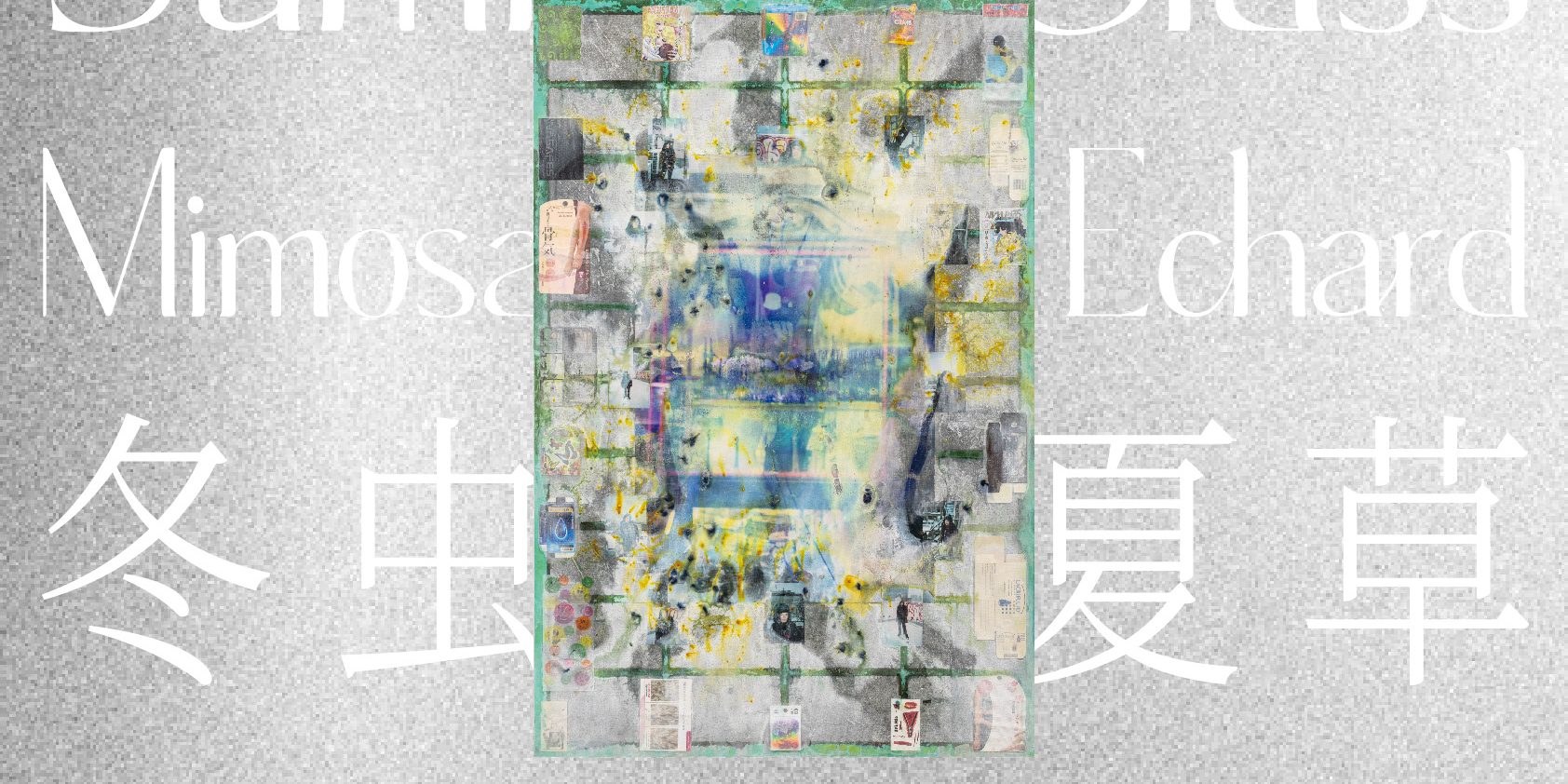
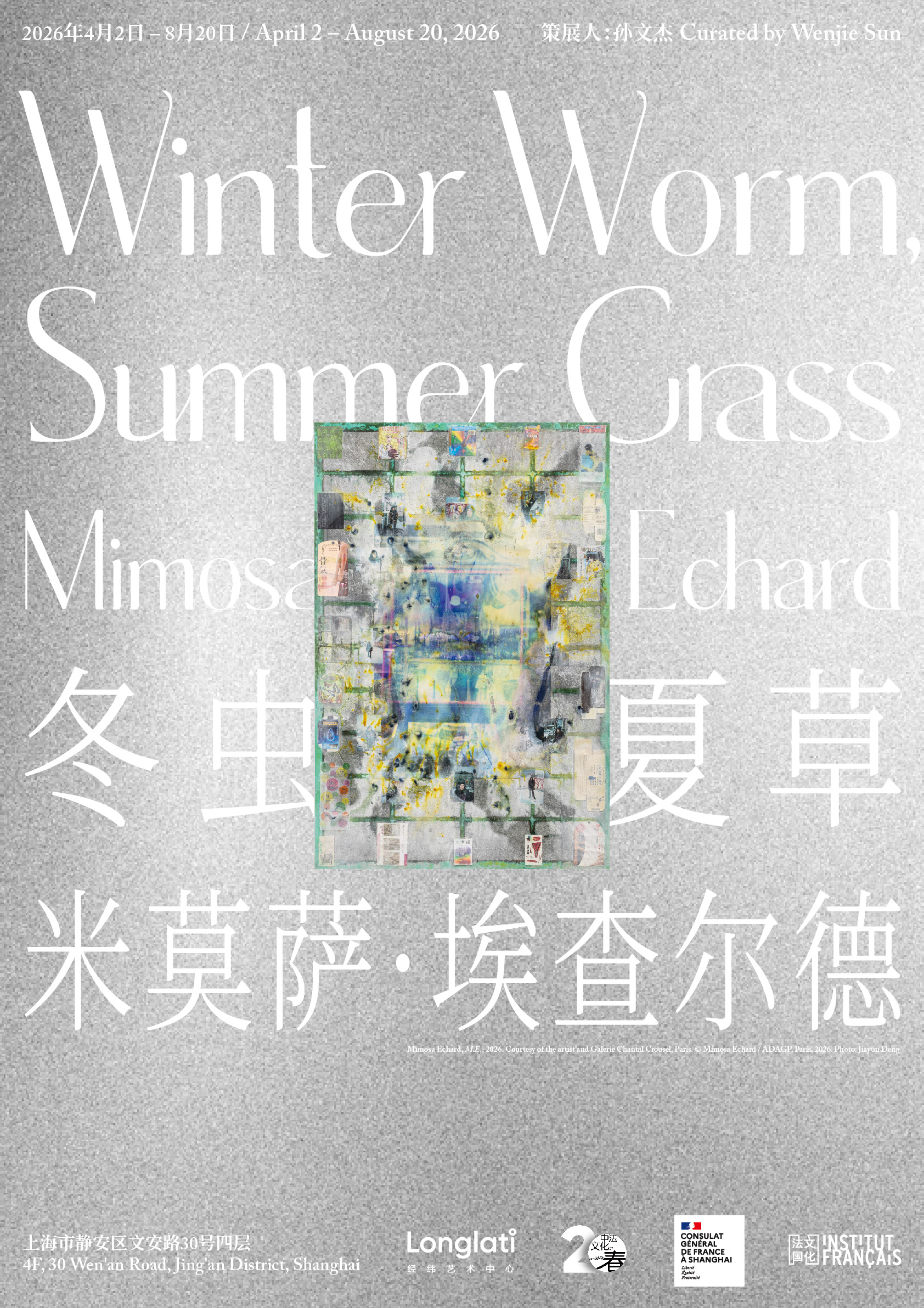
Longlati presents the first solo exhibition in China of French artist Mimosa Echard, which is officially part of the 2026 Festival Croisements program. Titled 冬虫夏草 Winter worm, summer grass, the exhibition takes the inter-species metamorphosis of the cordyceps—a fungus that crosses biological classifications—as a metaphor for the mutation at the heart of Echard’s practice. Bringing together over thirty pivotal works from the past decade alongside new site-specific productions, the exhibition presents her complex and prolific practice in a state of constant metabolism.
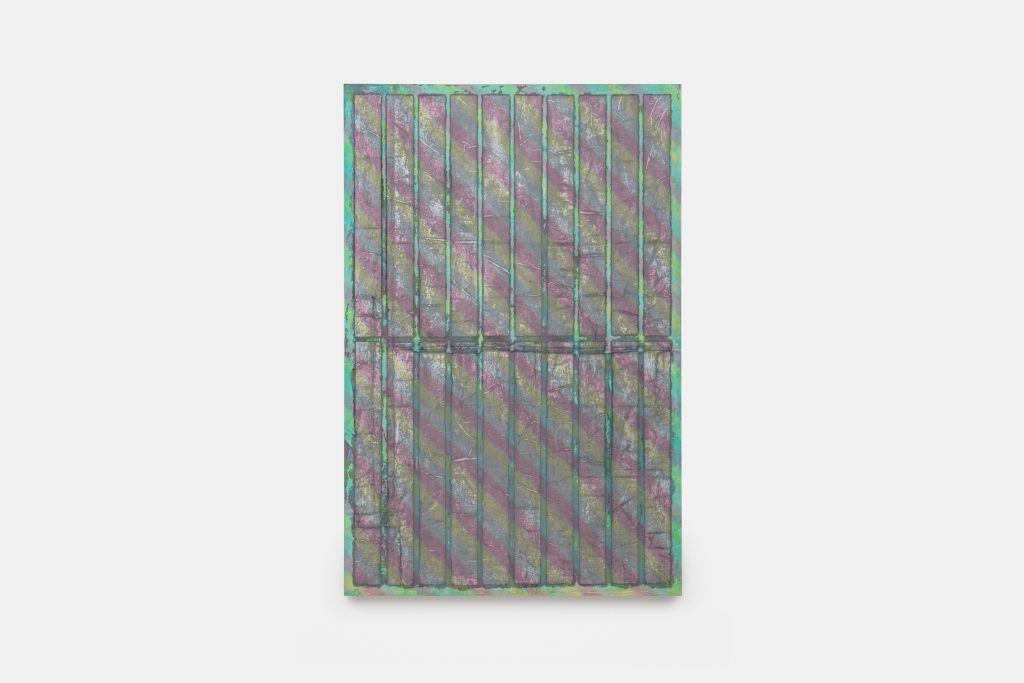
Mimosa Echard, Winter worm, 2026, mixed media, 190 x 125 x 3 cm. Courtesy of the artist and Galerie Chantal Crousel, Paris. Photo: Jiayun Deng
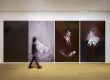
The exhibition unfolds from a revisiting of her landmark installation Escape more, for which she was awarded the Marcel Duchamp Prize in 2022. Escape more is an ambitious experiment in frontality and concealment: an abstract tableau visible through a transparent barrier of flowing water. On the other side of the glass wall, a vast visual archive of metabolic processes and media blur together: urine, blood, contraceptive pills, looping videos, paintings, newspaper, all filtered through synthetic fluid. Differing from the original, this Shanghai iteration undergoes a critical paradigm shift: deconstructing the installation into a “waiting room,” viewers first observe the layered perspectives of the gallery’s depths to then step through the barrier, becoming themselves a part an element of the installation.
As a quintessential “liminal space,” the waiting room is cloaked in an uncertain, transitional atmosphere. The prevalence of these standardized architectures is a consequence of commercialization and urbanization; a holding space for human flow. Echard decorates this Shanghai iteration with a zen fountain and potted orchids acquired in the city, transposing the original liquid into “flowing energy” and prosperity in fengshui. These readymades resonate alongside the artist’s series I still dream of Orgonon (2016—)—resin assemblages inspired by psychoanalyst Wilhelm Reichs “cloudbusting” devices, which were designed to capture and store “cosmic orgone energy” from the atmosphere, generating cloud formation and rain.
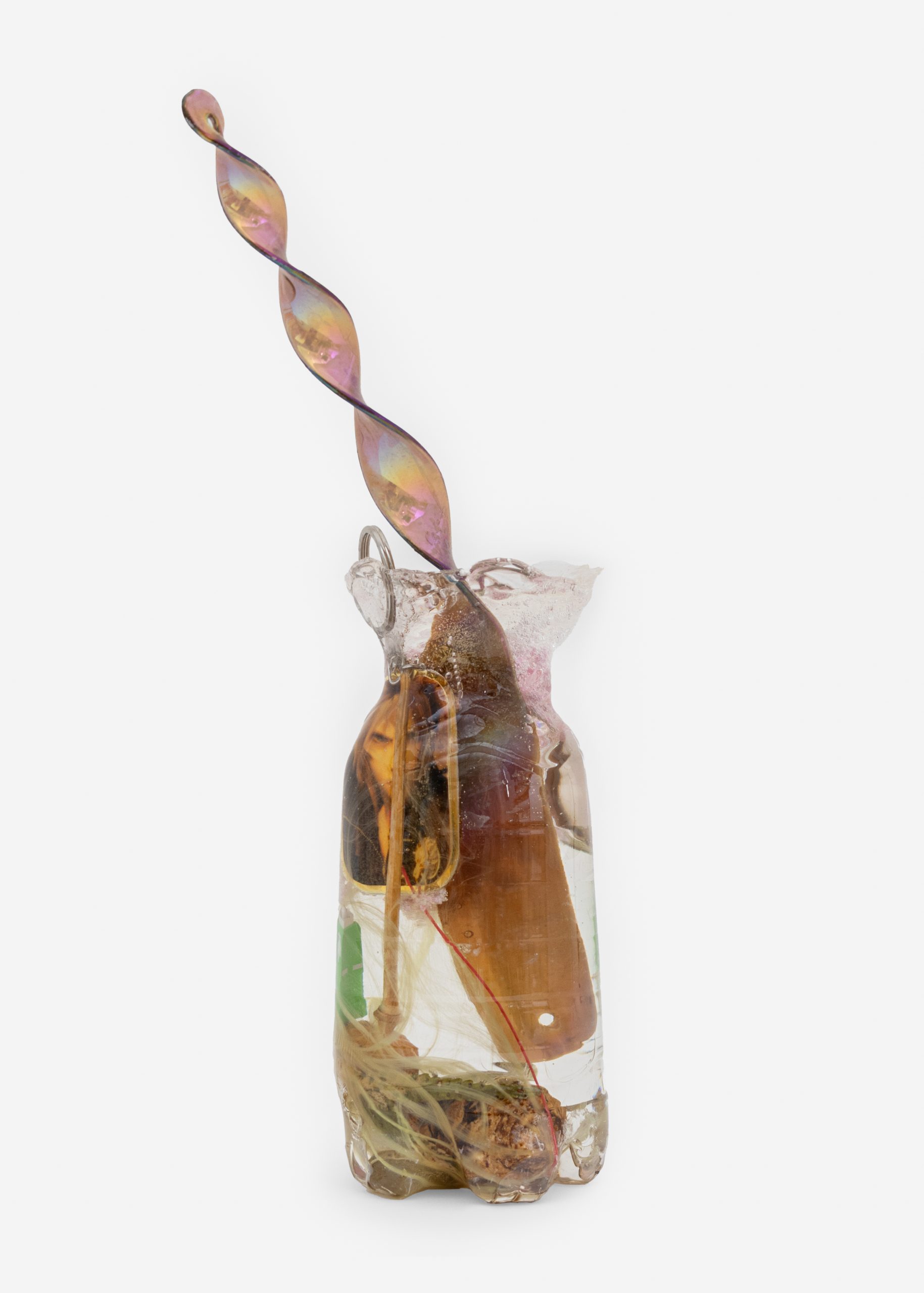
Mimosa Echard, I still dream of Orgonon, 2023, mixed media, 24.5 x 12.5 x 6.5 cm. Courtesy of the artist and Galerie Chantal Crousel, Paris. Photo: Jiayun Deng
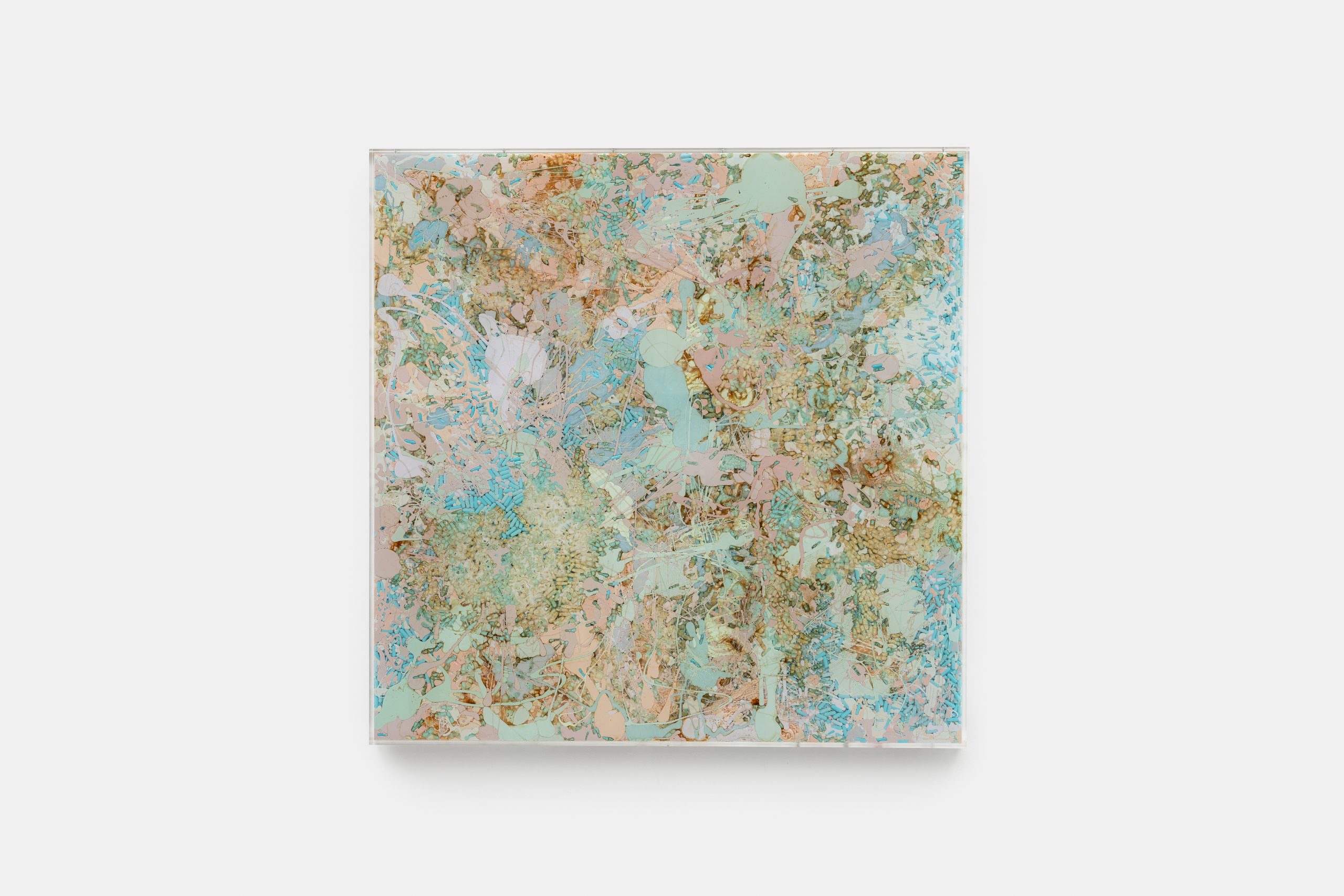
Mimosa Echard, Moment, 2026, mixed media, 125 x 125 x 5 cm. Courtesy of the artist and Galerie Chantal Crousel, Paris. Photo: Jiayun Deng
For 冬虫夏草 Winter worm, summer grass, Echard thus transforms her earlier concept of “pissing architecture” into a more abstract kind of flow. This can also be seen in the hanging Sap series where long illuminated strings of glass beads simulate the rhythmic dripping of plant resins, DNA or computer code. Invisible material leakage is also evoked by the abstract ovals in Time (2026), taken from the cover of a special issue of Time Magazine on hormonal treatments. These ominous forms reference “xenoestrogens,” as theorized by feminist scholar Eva Hayward: “non-human” yet “overly-humanized” hormones metabolized from plants, fungi, and pharmacological runoff (such as mare’s urine) that circulate endlessly between urban water systems and human bodies. Echard invites us to reflect on these omnipresent forms of infiltration, estrogen (a metonym of femininity) becoming a vector of slow chemical degradation, dissolving the phallic skyscrapers that we see in Echard’s photographs that punctuate the installation.
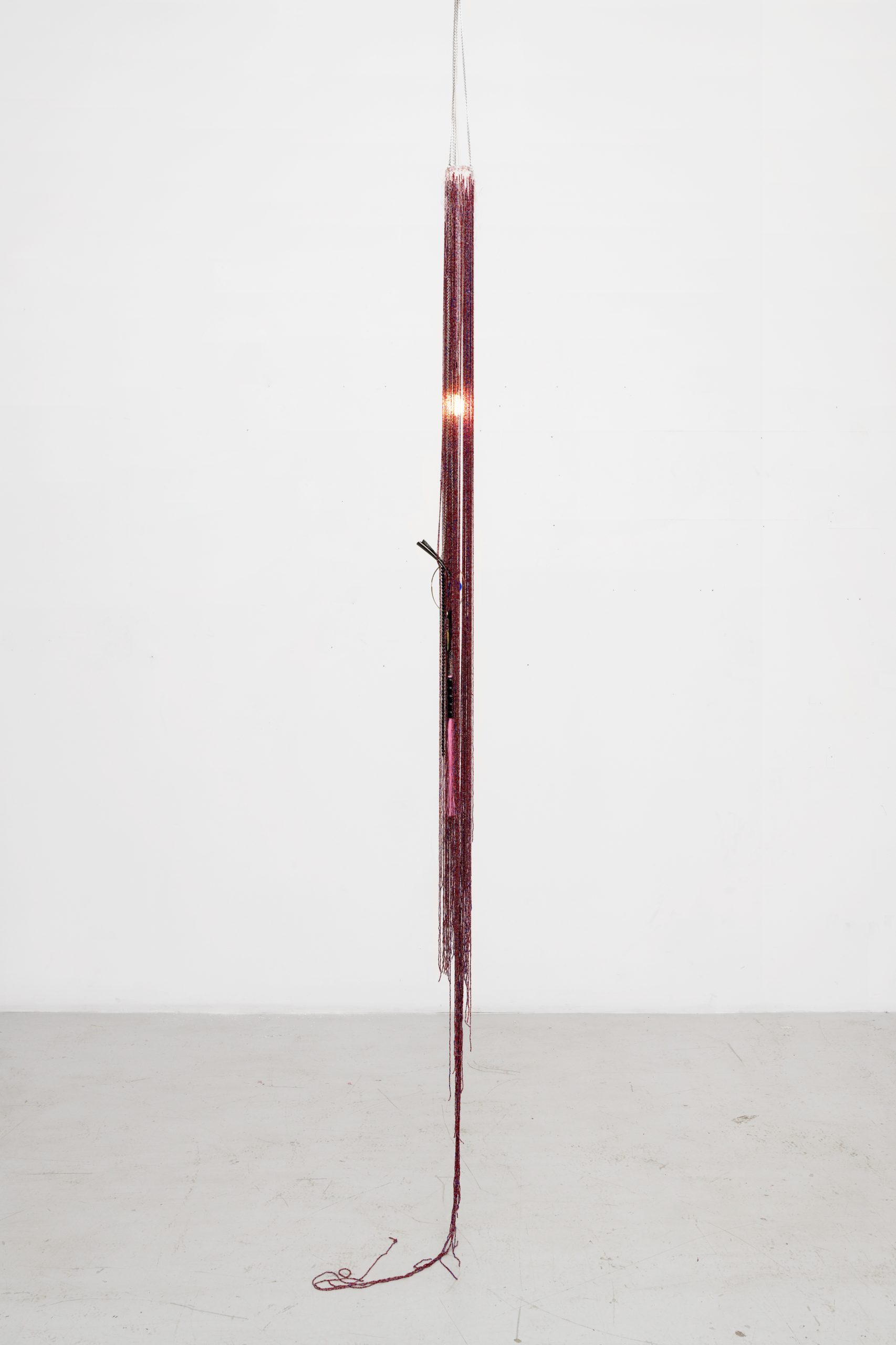
Mimosa Echard, Sap (Prof d’anglais), 2020, mixed media, 295 x 14 x 10 cm. Courtesy of the artist and Galerie Chantal Crousel, Paris. Photo: Aurélien Mole
This degradation is also echoed in her newer series of metallic tableaux, made from anti-radiation fabric covered in grids of household aluminum foil. The artist exposes these materials (both used to block electromagnetic waves) to corrosive liquids, oxidizing them into “bleeding colors.” These silver and green surfaces reflect the contemporary anxiety of “porosity and penetration” symptomatic of our networked world. Especially for 冬虫夏草 Winter worm, summer grass, Echard has continued this series, layering these distressed thresholds with pharmaceutical capsules, silk, flowers, packaging or photographic fragments. Functioning as a digital “skin,” they hallucinate the complex circuitry of an imagined motherboard, a thermal infrared map, as well as an abstract form of self-portraiture.
The acidic green bleeds into her new series of eight unique bronze wall works. Echard artfully employs bronze—an ancient, ritualistic medium whose weathered patina recalls urban architecture—to capture traces that were destined to be disposed of and “digested.” Regarded by the artist as object poems, their heterogeneous surfaces carry complex material information, collaging residues from consumer culture, pop iconography, and biological metabolism. The parasitic logic of the cordyceps returns: metal replaces biological or commodified tissue just as the fungus replaces the caterpillar.
Meanwhile, Echard’s new works that share the title Moment (all 2026) provide an anatomical, transparent counterpoint. Recalling her A/B series (2014—) made of medicine, hair-removal wax, resin, and various other heterogeneous materials, the illusion of transparency gives the impression of an interior kind of vision, views onto a “digestive landscape”. In these works, like elsewhere in her practice, pink is never merely a color, but a vast force—the hue of the internal metabolic system turned outward. No longer soft or “feminine”, this color is corrupted by layers of consumer debris, mutating aggressive cuteness into unsettling presence.
These two series form a vivid dialectic: sharing an origin in accumulation, they move toward opposing poles of visibility—the former as shiny, open containers; the latter as closed, heavy remains. This interplay reaches its vanishing point in the work Private picture 4(2023). The veil of lacy gauze acts as a final skin, straining to maintain the boundary between private and public while intensifying the imagination of temptation and taboo. Like the bronze series, this work reveals a double projection: how humans project desire onto objects, and how objects are swept into affective or economic systems that escape human control.
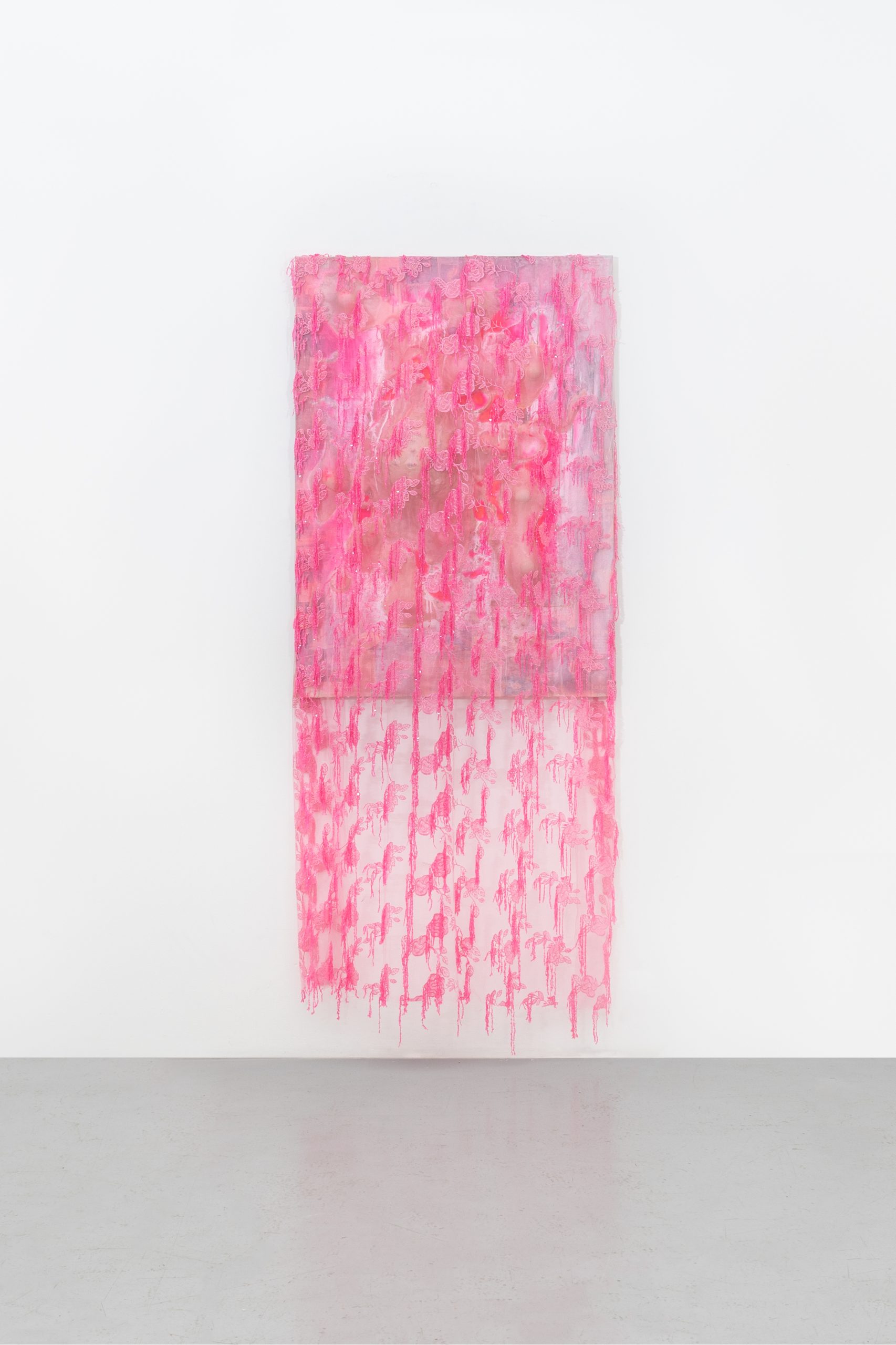
Mimosa Echard, Private picture 4, 2023, mixed media, 223 x 90 x 15 cm. Courtesy of the artist and Galerie Chantal Crousel, Paris. Photo: Jiayun Deng
This fluidity resonates with the Taoist concept of Transformation. Zhuangzi depicted a dynamic chain connecting the non-living, plants, and animals as a single pulse of life. Cordyceps is the natural footnote to this transformation. Echard captures the poetry in its name: a winter worm becoming summer grass. Beyond species change, it marks temporal rhythms, as recorded in the ancient ritual calendar The Small Calendar of the Xia, where such phenological phenomena mark the transition of calendars, echoing the Eastern metabolic view that links humanity with the seasons.
When viewed through a macro perspective, the cordyceps reveals a sprawling history of global circulation. As a complex of metamorphic inter-species relations, it carries within it the fraught histories of medicine, sustenance, and commodity. From the high-altitude permafrost to the gilded windows of urban pharmacies, this hybrid of “worm” and “grass” is propelled by capital, undergoing a cross-border transmutation of value. Enshrined as “soft gold” for its purported vitality-enhancing properties, the fungus becomes a potent medium where reproductive desire interfaces with social power. The fungus proliferates within the larva, digesting and reorganizing its host until the two are inseparable; the cordyceps reveals a mode of survival defined by radical intimacy and symbiotic violence.
This dynamic could be said to run through all of Echard’s practice, and her dense inventory of unnatural associations: plush glow-worms nestled in antique clock boxes (Clock 1-3, 2026), silicone replicas, anatomical models, botanical specimens, pharmacological residues, beauty catalogues (Powder Room series, 2019), photo booth portraits (Ao, 2026), a film still of Bruce Lee’s abdomen (Destroy the image and you will break the enemy, 2026), a duvet of experimental inter-species intimacy (Species, 2017). These unending assemblages orchestrate a complex spatial friction, oscillating between irresistibly fluid forms of seduction cut-through with physiological abject repulsion. This leads to an aesthetics of ambivalence, Echard frequently shifting scales and media, dismantling the expected stability of an “object” to reveal the latent, shifting potential of matter itself.
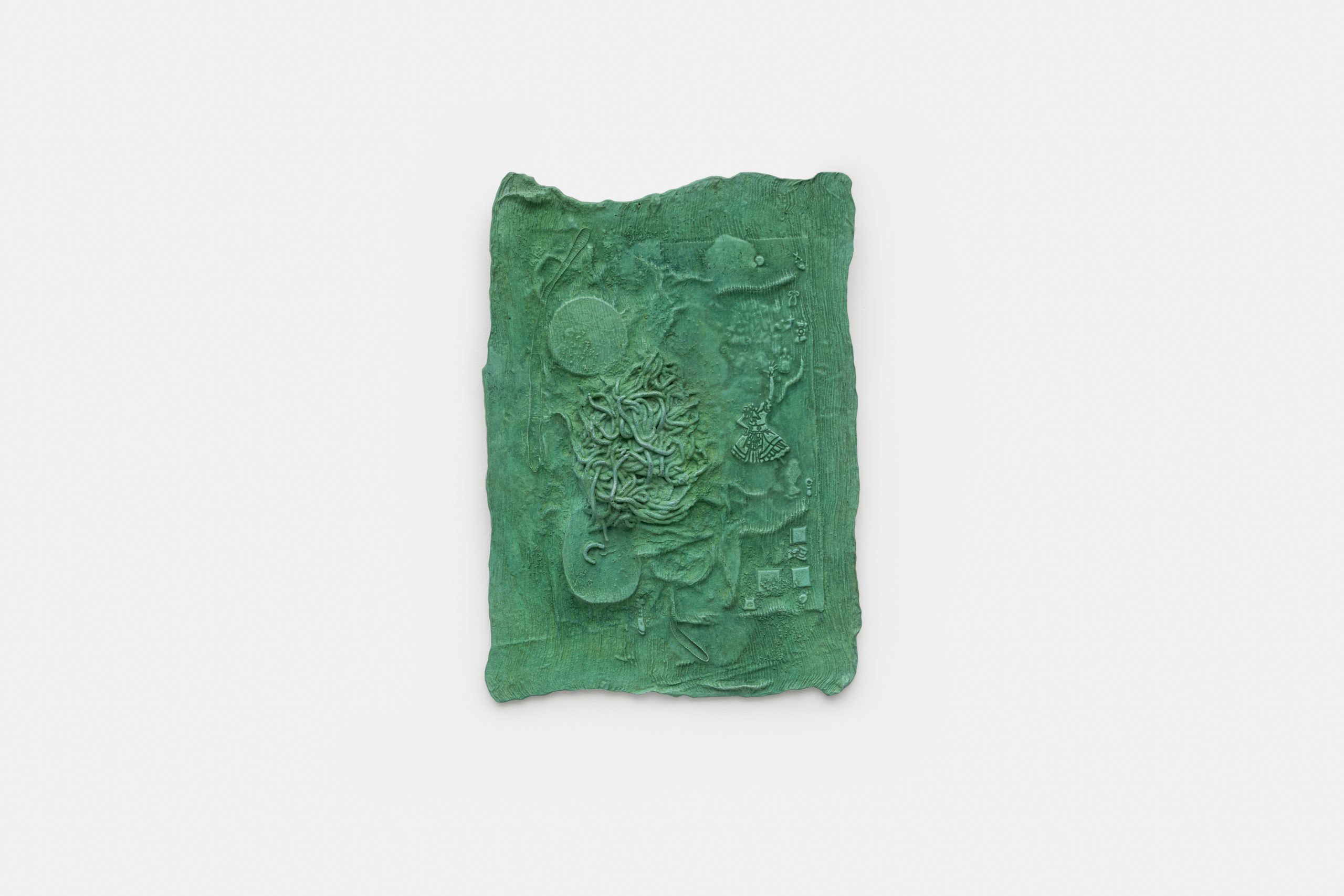
Mimosa Echard, Remover, 2026, mixed media, 35.5 × 26 × 3.5 cm. Courtesy of the artist and Galerie Chantal Crousel, Paris. Photo: Jiayun Deng
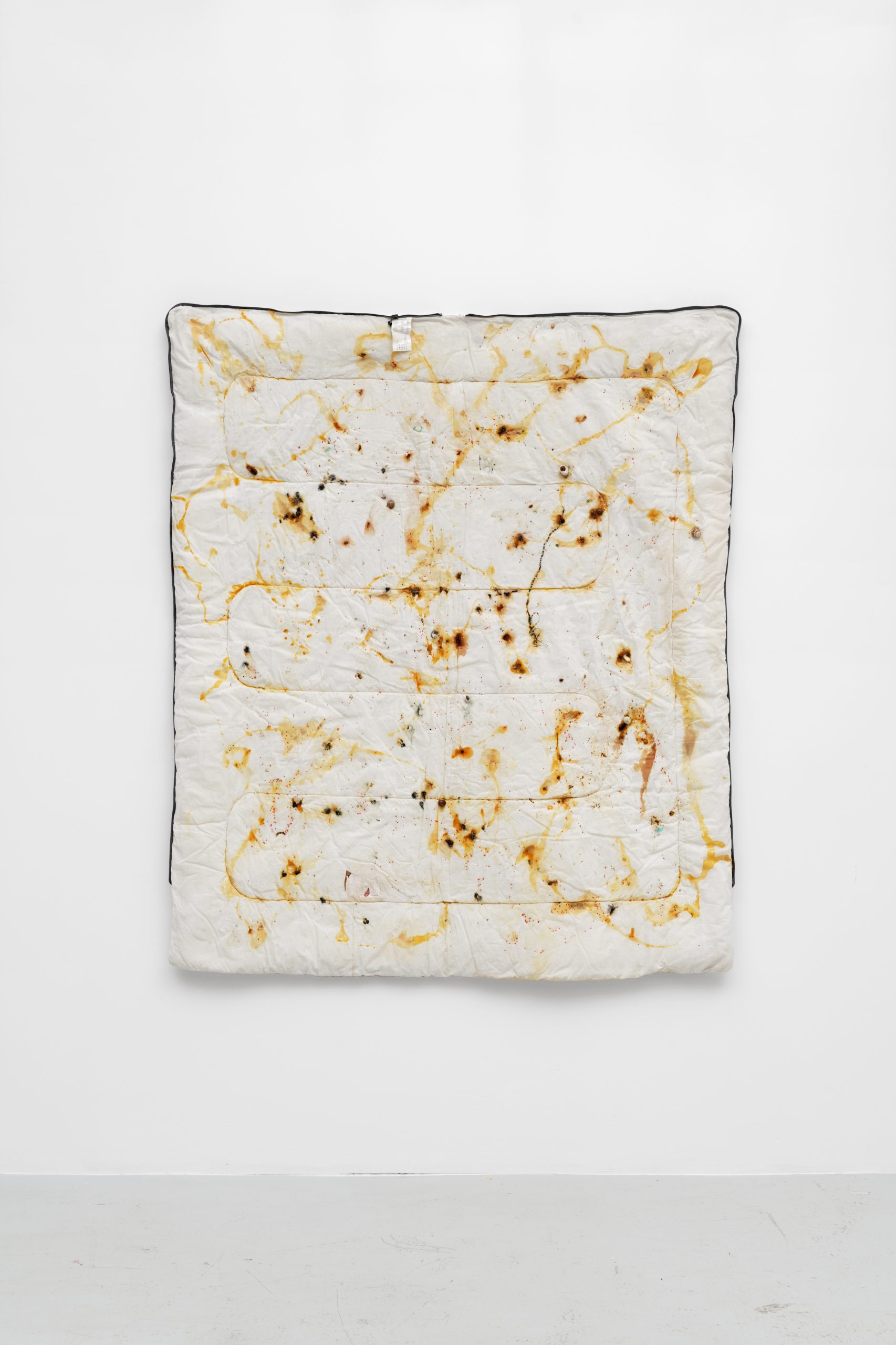
Mimosa Echard, Species, 2017, mixed media, 186.1 x 157 cm. Courtesy of the artist and Galerie Chantal Crousel, Paris. Photo: Aurélien Mole
Ultimately, the exhibition points toward the metamorphic quality of the “natural”. For Echard, “nature” is something inherently slippery and mutant, while also ordinary and everyday, an event that we all collectively participate in. Like the city itself, as depicted in Echard’s photography of Shanghai, this “new nature” is thoroughly permeated by human desire and the social and economic systems that condition it, constantly destroying its own image to become “something else”. Like Bruce Lee, like a parasite. Propelled by this ambiguous desire—an impulse intrinsic to the logic of 冬虫夏草 Winter worm, summer grass—Echard transforms the gallery into a resonant field of perpetual displacement.
About Artist
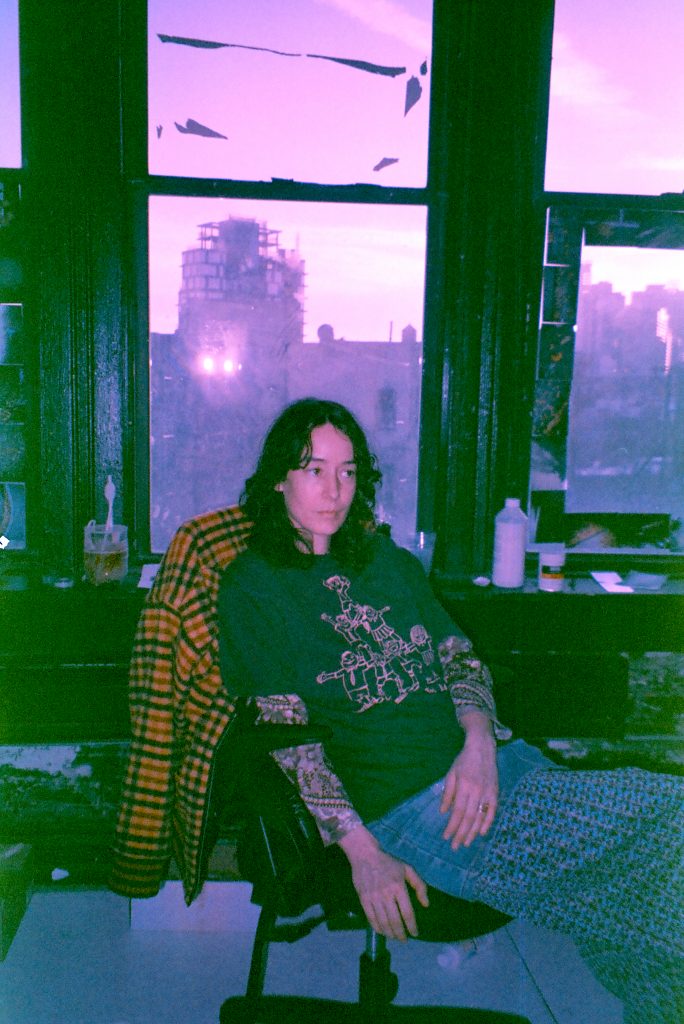
Mimosa Echard. Courtesy artist and Galerie Chantal Crousel, Paris. Photo by Aodhan Madden
Born in 1986 in Alès, France. Lives and works in Paris, France.
Mimosa Echard draws on biological research, histories of experimental cinema and her own life to create works that play with the relationship between sexuality, synthesis, and perception. Working across various media—from sculpture to installation to video games—her work is driven by ongoing and contradictory processes of absorption, accumulation and circulation, observed in phenomena as diverse as popular culture, metabolic systems or electromagnetic spectra. Attentive to the invisible or latent potential of the materials she uses, her assemblages and installations displace the capacity of language to know its object, allowing new and ‘unnatural’ associations to proliferate.
Mimosa Echard was awarded the Marcel Duchamp Prize 2022.
Upcoming exhibitions include solo shows at the Longlati Foundation, Shanghai, in April 2026 and at Kunsthaus Biel Centre d’art Bienne (KBCB), Switzerland in June 2026.
She has exhibited her work in various internationally renowned institutions such as Amant, New York; the Centre Pompidou, Paris; Lafayette Anticipations – Fondation d’entreprise des Galeries Lafayette, Paris; Palais de Tokyo, Paris; Collection Lambert, Avignon; Musée d’Art Moderne de la ville de Paris, Paris; Australian Center for Contemporary Art, Melbourne; Centre d’Art Contemporain d’Ivry — Le CRÉDAC. Mimosa Echard’s works have joined the collections of the Centre Pompidou, Paris; Long Museum, Shanghai; Hessel Museum of Art Bard College, Annandale-On-Hudson; Macalline Center of Art, Beijing; MAC VAL, Vitry-sur-Seine; CNAP — Centre national des arts plastiques, Paris; Musée d’Art Moderne de Paris, Paris; Foundation Louis Vuitton, Paris; Fondation d’entreprise Galeries Lafayette, Paris; Sadami Art Foundation, Dhaka; Ettore Fico Foundation, Torino; Collection IAC — Villeurbanne/Rhône-Alpes, Villeurbanne; FRAC Corse, Corte; FRAC Bourgogne, Dijon; FRAC Ile-de-France, Paris, among others.